
Red Imported Fire Ants Study
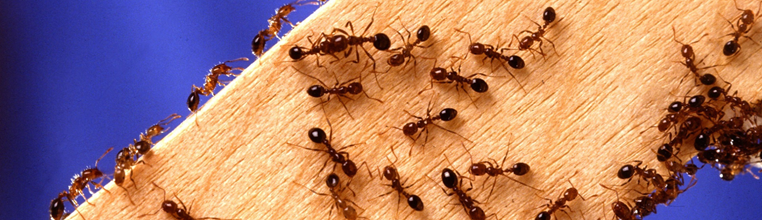
The Red Imported Fire Ant (RIFA) is one of the world’s most damaging and invasive species, now posing a growing threat to Australia's health, biodiversity, and economy.
Native to South America, the ants were first detected in Queensland in 2001 and have since spread across more than 800,000 hectares.
RIFA stings can cause severe allergic reactions, including anaphylaxis, affecting around one-third of people in invaded areas each year. In fact, if RIFA were to become endemic in Australia, up to 174,000 people may develop allergic reactions, which would require medical attention leading to mounting healthcare costs.
Current Australian data on RIFA-related health impacts and costs is lacking, with our existing estimates often relying on outdated international information, which may not reflect local conditions.
Study overview
The National Allergy Centre of Excellence and The University of Melbourne have launched a Queensland-based study to better understand the health impacts and economic costs of RIFA stings in Australia.
The study focuses on real-world data reported by Queensland frontline healthcare workers, including GPs and emergency department staff, across RIFA-affected regions. The study aims to:
- Estimate how often people are stung and experience allergic reactions
- Model the current and projected healthcare and personal costs of RIFA stings
- Explore the feasibility of creating the first RIFA registry to track severe allergic reactions.
Who can take part?
Queensland Healthcare professionals
Queensland frontline healthcare workers in RIFA-affected areas across the Greater Brisbane region, including Brisbane, Gold Coast, Redland, Logan and Ipswich, and related healthcare professionals, are invited to complete a 10-minute anonymous, online survey. Participants can enter a draw to win one of two $150 Coles gift cards.
The survey covers:
- Your experiences with RIFA sting cases and allergic reactions
- Clinical management approaches
- Practical insights for establishing a RIFA severe reaction registry
Study team
- Dr Diego Lopez, NACE and The University of Melbourne Postdoctoral Researcher
- Professor Adrian Lowe, NACE Evidence and Translation Pillar advisor and Co-head of the Allergy and Lung Health Unit at The University of Melbourne
- Associate Professor Kenneth Winkel, The University of Melbourne
- Associate Professor Troy Wanandy, NACE Insect Allergy Stream Co-chair, and Senior Specialist Pharmacist at the Royal Hobart Hospital
- Professor Sheryl van Nunen, NACE Insect Allergy Stream Co-chair and Clinical Professor at The University of Sydney and Macquarie University
- Professor Kirsten Perrett, NACE Director and Paediatric Allergist at The Royal Children’s Hospital Melbourne
- Professor Dianne Campbell, NACE Training and Innovation Pillar Lead and Adjunct Professor at the University of Sydney
Evaluation
This project will deliver the first comprehensive assessment of the human health impacts and cost of Red Imported Fire Ants (RIFA) in Australia.
Our findings will help inform the potential establishment of a RIFA sting-related registry, shape targeted public health and emergency responses and policies, inform cost-effective evaluations of eradication versus containment strategies and improve public health awareness about this emerging threat.
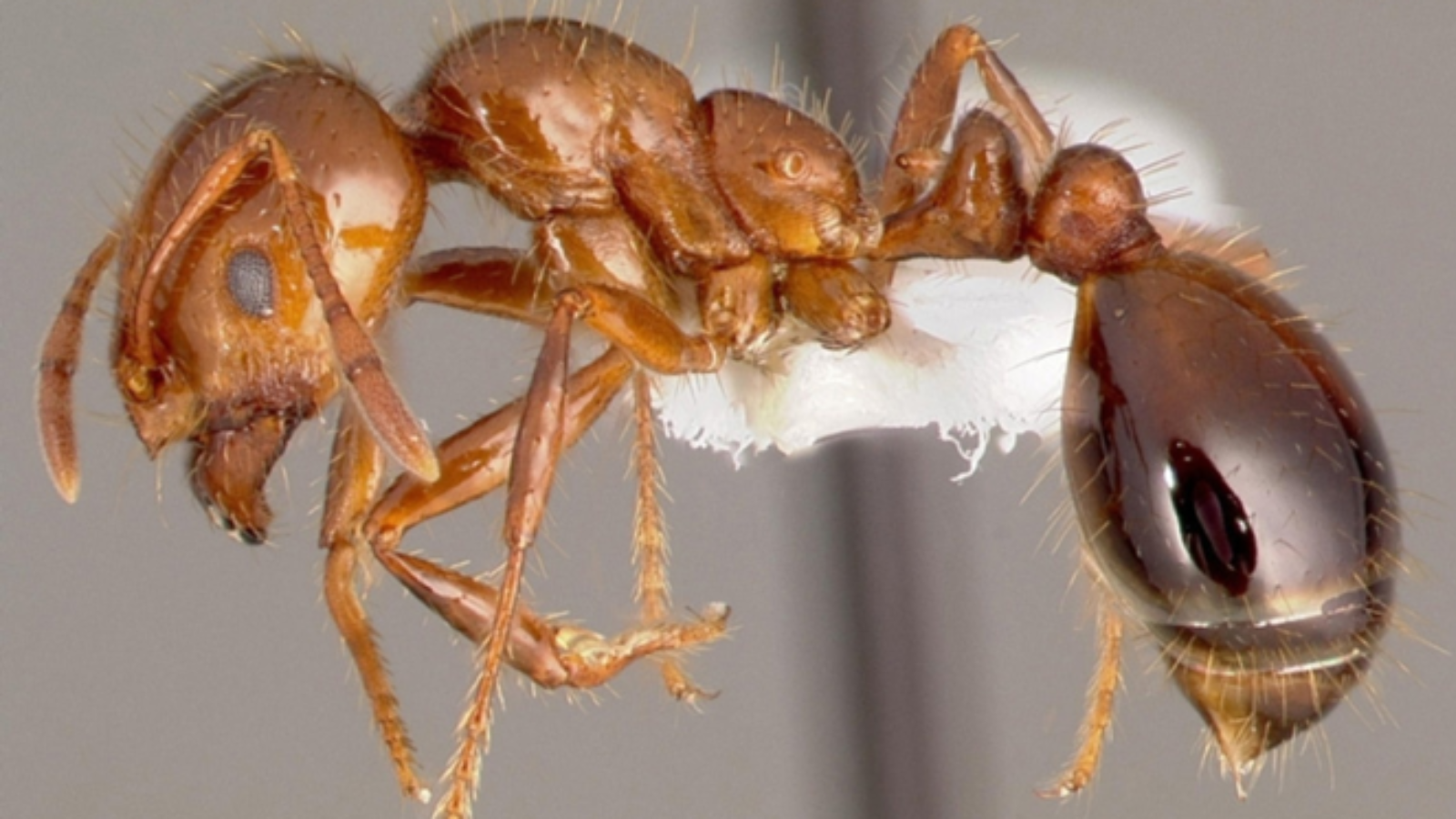
Image supplied by Invasive Species Council
In proud partnership with